
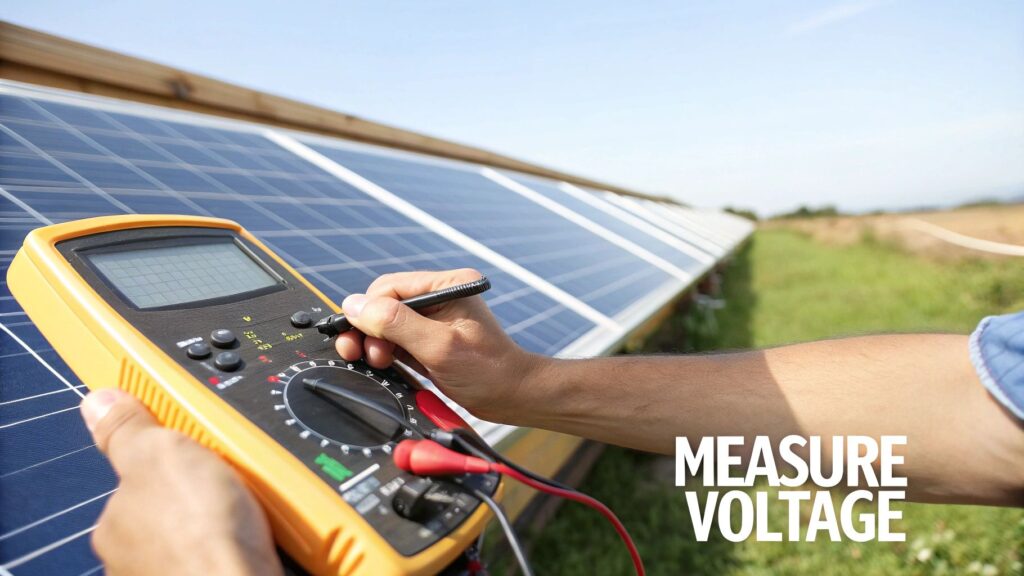
Installing solar is a smart investment — but like any energy system, it performs best when properly cared for. With the right solar system monitoring and routine upkeep, you can protect your equipment, maximize energy production, and extend your system’s lifespan.
In this guide, we’ll share practical solar maintenance tips to help you optimize solar performance and get the most value from your installation.
Solar panels are built to last, often producing power for 25 years or more. However, dust buildup, shading, faulty components, or unnoticed performance drops can quietly reduce output.
Regular monitoring and light maintenance help you:
✔ Maintain peak energy production
✔ Detect issues early
✔ Prevent costly repairs
✔ Protect long-term return on investment
✔ Ensure reliable, consistent power
A well-maintained system simply performs better — year after year.
Most modern systems include online or mobile dashboards that show real-time energy generation.
Make it a habit to:
Check daily or weekly production levels
Compare current output with previous months
Watch for sudden drops in performance
If your system is producing noticeably less power without a clear reason (like cloudy weather), it may be time to investigate.
Tip: Set up alerts in your monitoring app so you’re notified automatically if production falls below expected levels.
Dirt, dust, bird droppings, and debris can block sunlight and reduce efficiency — especially in dry or dusty environments.
Basic cleaning tips:
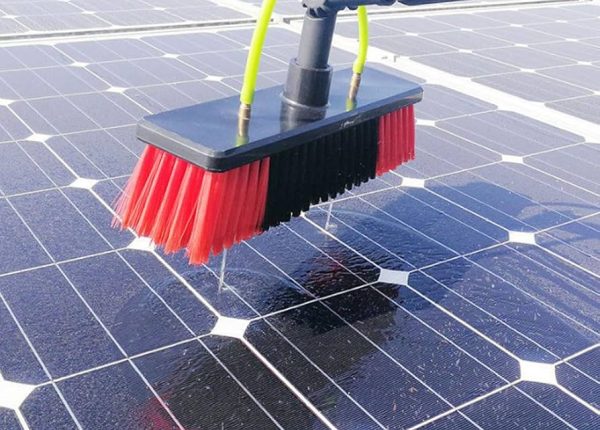
Rinse panels gently with water when safe to do so
Use a soft brush or sponge (never abrasive tools)
Avoid harsh chemicals
Clean early morning or late afternoon to prevent thermal shock
In many areas, rainfall helps keep panels clean, but occasional manual cleaning can restore lost performance.
Over time, trees grow and new structures appear. Even partial shading on one panel can impact the entire system.
Periodically check for:
New shadows from trees or buildings
Leaves or debris stuck near panel edges
Objects blocking airflow around the array
Addressing shading early helps maintain consistent energy output.
Your inverter is the heart of your solar system. If it stops working, power production stops too.
Look for:
Warning lights or error codes
Offline monitoring dashboards
Unusual noises or overheating
If something doesn’t look right, contact your solar provider promptly for troubleshooting support.
While homeowners can handle basic monitoring, professional inspections add an extra layer of protection.
A solar technician can:
Test electrical connections
Check mounting hardware
Verify inverter performance
Identify early signs of wear
Confirm system safety
An annual or biannual checkup can prevent small issues from becoming major problems.
Solar production naturally changes with seasons. Learning your system’s typical patterns helps you recognize abnormalities.
Pay attention to:
Monthly production averages
Seasonal output differences
Year-over-year performance
This insight allows smarter decisions and quicker action when something feels off.
Here are a few simple habits that make a big difference:
✔ Keep monitoring apps active
✔ Clean panels when visibly dirty
✔ Watch inverter status lights
✔ Report unusual drops in production
✔ Keep records of service visits
✔ Ask for maintenance guidance after installation
These small steps help protect your investment and ensure smooth operation.
With consistent solar system monitoring and smart solar maintenance tips, you can significantly optimize solar performance, extend equipment life, and enjoy dependable renewable energy for decades.
Solar doesn’t require heavy upkeep — just awareness, routine checks, and professional support when needed.
By staying proactive, you’ll ensure your system delivers reliable power, strong savings, and long-term peace of mind.

Everest Solar Inc is a trusted provider of residential and commercial solar energy solutions.